Scientific result

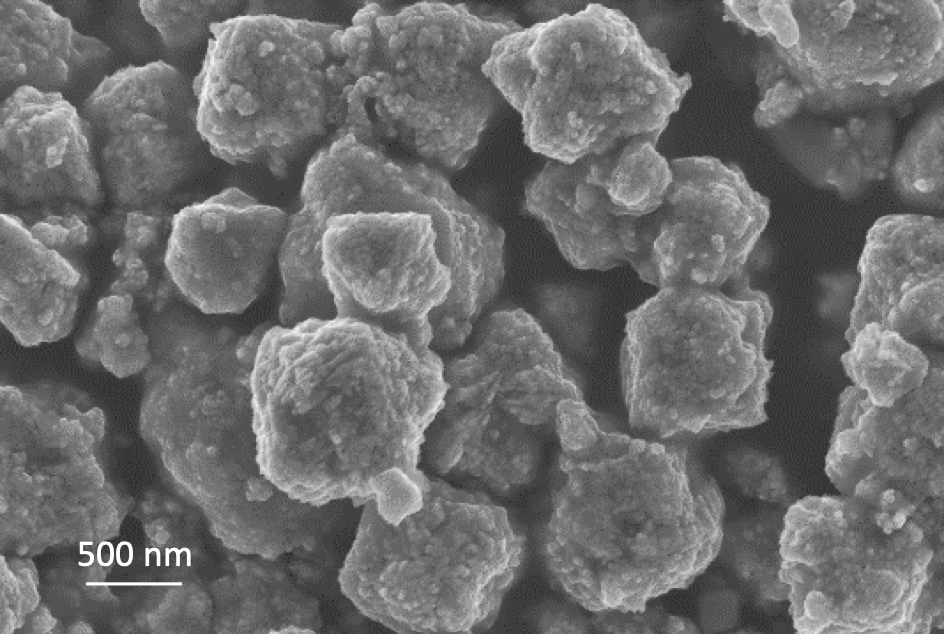
Deciphering ancient oceans using pyrite and iron isotopes

Iron isotopes in pyrite are frequently used to better understand environmental conditions throughout our planet’s history, going back to sedimentary archives dating back billions of years. A team of researchers […]

13.02.2026

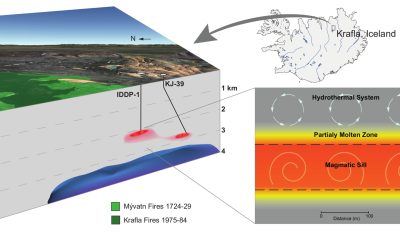
A temperature jump of 400°C at a depth of 2 km—it’s possible in Krafla to cook a steak!

This study explains the heat transfer between a magma reservoir and the surrounding rock in the high-enthalpy geothermal exploration area of Krafla, Iceland. Thermomechanical numerical models explain the sudden jump […]

05.02.2026

Life on Earth represents only a tiny fraction of possible biological forms

What forms does life take on Earth? This is the question asked by scientists from the University of Toulouse and the CNRS, who are exploring the morphological limits of life […]

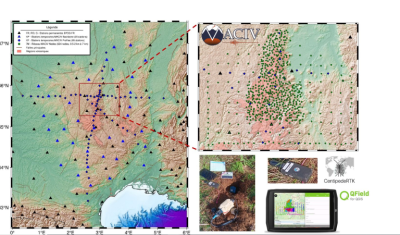
MACIV nodes: an exceptional seismological network on the volcanoes of the Massif Central

As part of the MACIV project, funded by the French National Research Agency (ANR), a team of scientists deployed the largest mobile seismological network ever installed by a university team […]

25.11.2025

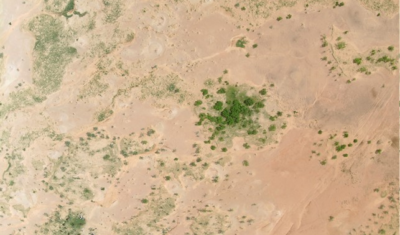
Laterites, archives of past climate and keys to present development

The scarlet lands covering the plains and plateaus of West Africa are much more than just a typical tropical landscape. These laterites bear witness to a geological history spanning tens […]

03.11.2025

Unprecedented mineral and organic compounds discovered in Mars’ Jezero Crater

The Perseverance rover has uncovered sedimentary rocks containing minerals and organic matter organized into structures never before seen on Mars, opening up new perspectives on the Red Planet’s past habitability. […]

12.09.2025

Climate warning for archaeological sites

From the Chauvet cave to the Ile d’Yeu, prehistoric sites are under close surveillance. The hope: to understand how climate change threatens them. And prevent the disappearance of cave paintings. […]

01.07.2025

The origins of continents: continental crust shaped by water

ow did continents appear on Earth? This question, crucial to understanding the emergence of civilizations and life itself, remains one of the great mysteries of the early stages of planetary […]

Oxygen oases in the oceans 500 million years before oxygenation of the atmosphere

2.9-billion-year-old marine sedimentary rocks from Canada’s Red Lake region reveal areas of oxygen accumulation at a time when the oceans were globally anoxic and iron-rich. These oxygen oases played a […]

Search