The origins of continents: continental crust shaped by water
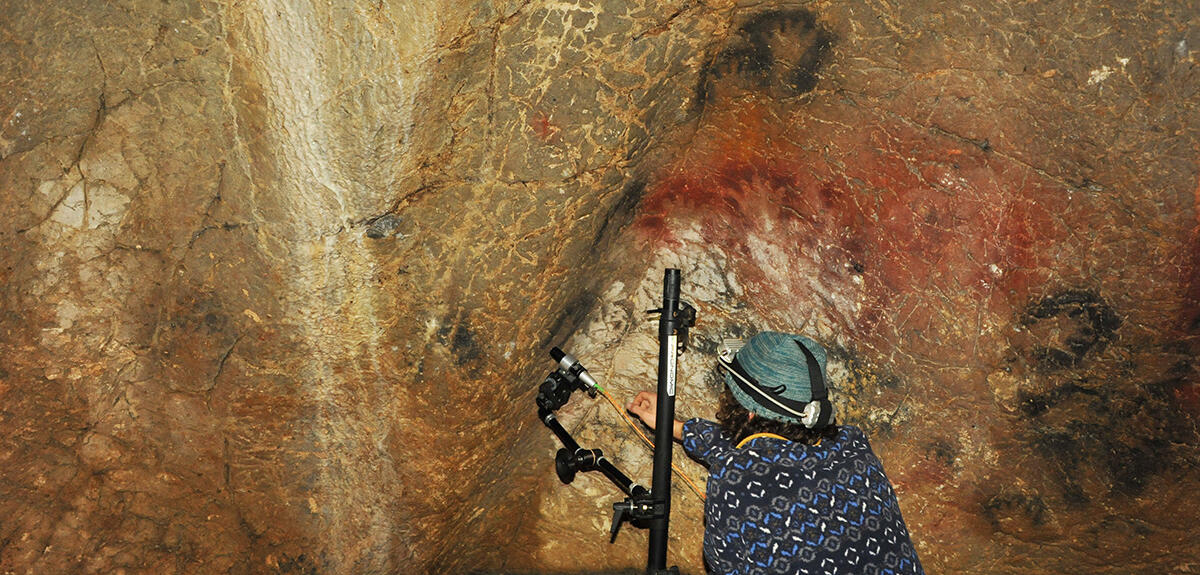
ow did continents appear on Earth? This question, crucial to understanding the emergence of civilizations and life itself, remains one of the great mysteries of the early stages of planetary evolution. A study recently published in Science Advances and led by CNRS-INSU scientists sheds new light on the subject by proposing a very early mechanism for the formation of continental crust, involving the presence of water with the melting of a serpentinized protocrust.
An international research team (France-USA-Russia), led by scientists from CNRS-INSU, the University of Toulouse and the University of Clermont Auvergne, have developed an approach that integrates experimental petrology, thermodynamic and geochemical modelling, making it possible to estimate the mass of continental crust that could have formed through the melting of serpentinized protocrust. The same process could be applied to Mars.
Their work shows that the felsic (silica-rich) crust could have formed 4.4 to 4.5 billion years ago, through the fusion of serpentinized peridotites – mantle rocks enriched in water – in contact with basaltic magmas. This process would explain the Hf isotopic data recorded by zircons aged between 4.0 and 4.4 Ga, the only terrestrial witnesses to the Hadean eon.
Read more on the CNRS Terre & Univers website.
Contact GET: Anastassia Borisova