An AI to locate traces of life on rocks on Earth and on Mars

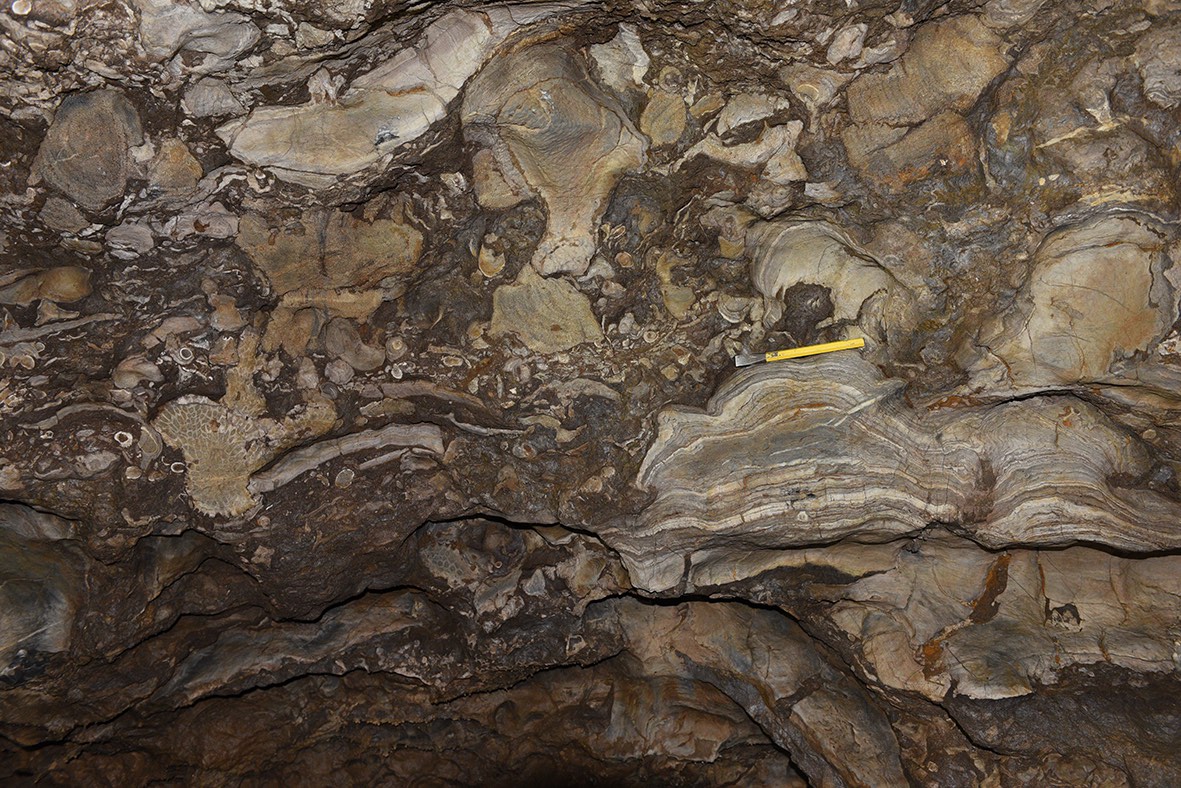
Improved knowledge about the conditions under which life arose about 3.8 billion years ago and the recognition of the remarkable resilience of extremophilic microorganisms have sparked new interest in the search for life in the solar system. An international research team, including GEOLAB, GET and LEFE laboratories, has shown that fossil traces left on rocks by microbial consortia can be recognized in images by trained artificial intelligence (AI). This opens new perspectives for the search of biogeomorphological signatures of life on rocks on Mars.
© Dov Corenblit

Sources :

Corenblit D., Decaux O., Delmotte S., Toumazet J.-P., Arrignon F., André M.-F., Darrozes J., Davies N.S., Julien F., Otto T., Ramillien G., Roussel E., Steiger J., and Viles H. (2023). Signatures of life detected in images of rocks using Neural Network analysis demonstrate new potential for searching for biosignatures on the surface of Mars. Astrobiology.

More news

MACIV nodes: an exceptional seismological network on the volcanoes of the Massif Central

As part of the MACIV project, funded by the French National Research Agency (ANR), a team of scientists deployed the largest mobile seismological network ever installed by a university team […]

Laterites, archives of past climate and keys to present development

The scarlet lands covering the plains and plateaus of West Africa are much more than just a typical tropical landscape. These laterites bear witness to a geological history spanning tens […]

Unprecedented mineral and organic compounds discovered in Mars’ Jezero Crater

The Perseverance rover has uncovered sedimentary rocks containing minerals and organic matter organized into structures never before seen on Mars, opening up new perspectives on the Red Planet’s past habitability. […]

Search