In Chile, inhabitants and plants unite to reveal air pollution

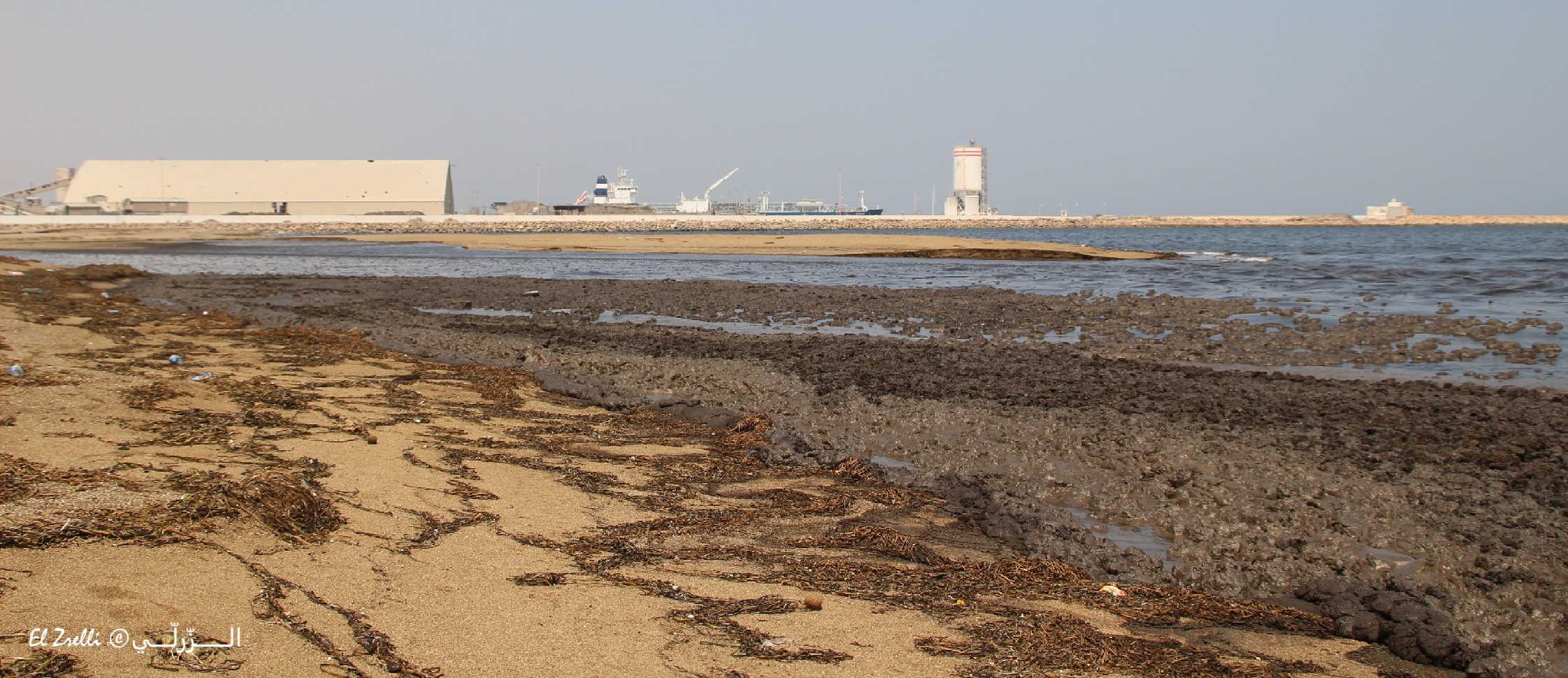
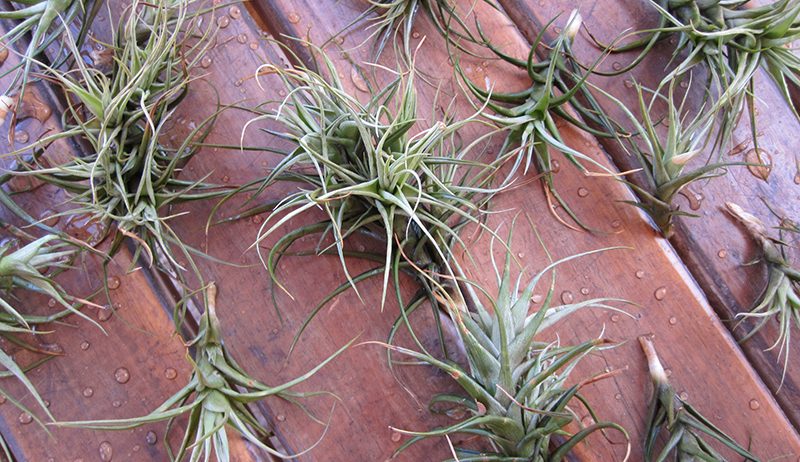
Chile is one of the countries most affected by environmental pollution in South America. This is particularly true in the province of Chacabuco, north of the capital Santiago, where the local population is warning of deteriorating air quality. In this region, a team from the Géosciences environnement Toulouse laboratory, in collaboration with researchers from the Laboratoire de Géographie de l’Environnement, combined the perceptions of local residents with geochemical analyses carried out in the field to assess air pollution. Their study, published on March 4, 2025 in Environmental Geochemistry and Health, recommends the use of certain plants as indicators of air pollution levels.

Click here for the University of Toulouse press release (in French).

Contact GET: Eva Schreck et Aude Calas

Sources :

Eva Schreck, Lucie Le Goff, Aude Calas, Zoë Louise Fleming, Carme Bosch, Aubin Yettou, Mireia Mesas, Xavier Martínez-Lladó, Arturo Vallejos-Romero, Frédérique Blot, Carine Baritaud & Anne Peltier mars 2025. An interdisciplinary approach for air quality assessment: biomonitoring using Tillandsia bergeri and risk perceptions in the environmentally sacrificed province of Chacabuco, Chile. Environmental geochemistry and health, Volume 47, article number 99

More news

Deciphering ancient oceans using pyrite and iron isotopes

Iron isotopes in pyrite are frequently used to better understand environmental conditions throughout our planet’s history, going back to sedimentary archives dating back billions of years. A team of researchers […]

A temperature jump of 400°C at a depth of 2 km—it’s possible in Krafla to cook a steak!

This study explains the heat transfer between a magma reservoir and the surrounding rock in the high-enthalpy geothermal exploration area of Krafla, Iceland. Thermomechanical numerical models explain the sudden jump […]

Life on Earth represents only a tiny fraction of possible biological forms

What forms does life take on Earth? This is the question asked by scientists from the University of Toulouse and the CNRS, who are exploring the morphological limits of life […]

Search