Tsunamis in the Caribbean: A new alter procedure developed by the University
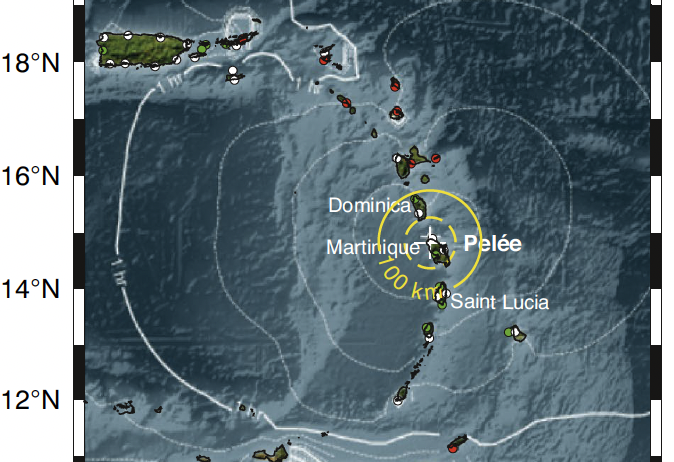
While tsunami warning systems have robust procedures to prevent tsunamis generated by earthquakes, this is not the case when it comes to tsunamis produced by volcanic crises. The eruptions of Anak Kakatau in 2018 or Hunga Tonga Hunga Ha’apai unfortunately showed this. Scientists from the Géosciences environment Toulouse laboratory (GET-OMP – CNES/CNRS/IRD/UT3) proposed and tested a warning system for the Caribbean, based on the receipt by the regional tsunami warning center of a bulletin emitted by the volcanological observatory witnessing potentially tsunamigenic activity of the volcano it monitors. Their study was published in January in Bulletin of Volcanology.
In the Caribbean, the GET team, as well as the American public agency National Oceanic and Atmospheric Administration (NOAA), have established since March 2023 procedures for the early warning system in the event of a tsunami generated during a volcanic crisis. The basic postulate of these procedures is the use of volcanological observatories as a detection network.
Read more on the University website.
GET Contact: Valérie Clouard