Climate warning for archaeological sites
From the Chauvet cave to the Ile d’Yeu, prehistoric sites are under close surveillance. The hope: to understand how climate change threatens them. And prevent the disappearance of cave paintings. […]

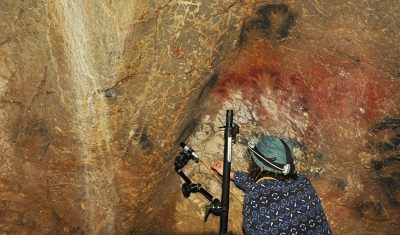
From the Chauvet cave to the Ile d’Yeu, prehistoric sites are under close surveillance. The hope: to understand how climate change threatens them. And prevent the disappearance of cave paintings. […]
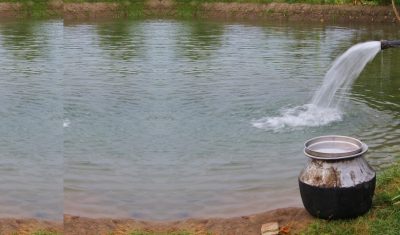
In India, simple management of rainwater and a local lake helps to compensate for polluted groundwater sources for drinking water. How can drinking water be supplied to populations in a […]
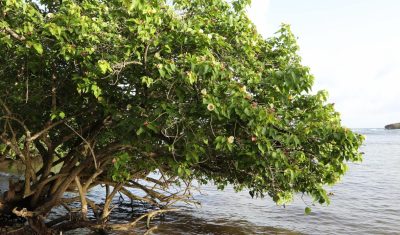
Against all expectations, sargassum promotes carbon storage in mangrove soils. The Caribbean coasts and mangroves are regularly buried under tons of stranded sargassum. Although the harmful effects of the gases […]
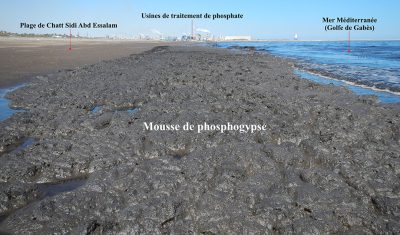
This study focuses on phosphogypsum foam from marine discharges from phosphate fertilizer plants in Gabes (SE Tunisia). Its formation process includes three main steps: (i) formation by dissolution of phosphogypsum […]
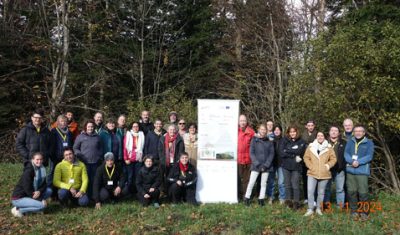
The first Pyrenees Soil Forum was held on 12, 13 and 14 November in Ax-les-Thermes, Ariège. This event, organised by the university as part of the SOLPYR project (soils of […]
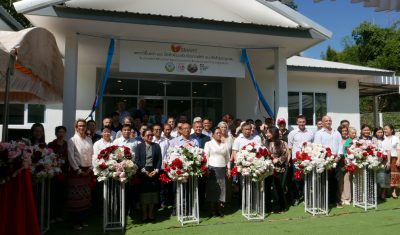
The Sustainable Mountain Agroecosystems Research and Training (SMART) station was inaugurated on Tuesday November 19, in the presence of the Vice-Ministry of Agriculture and Forestry Dr. Chanthakhone BOUALAPHANE, Her Excellency […]
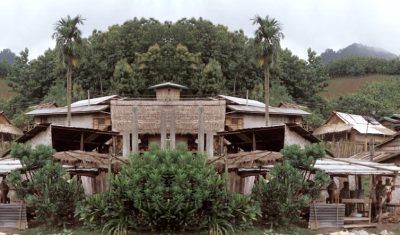
Tropical mountain villages without sanitation pollute the hydrosystems very heavily. The work of scientists from the Géosciences Environnement Toulouse (GET/OMP) laboratory and their partners in France and Laos, carried out in South-East Asia, […]

The critical zone is the most superficial part of our planet where water, rocks, air and life come together to shape our environment. In order to better understand how regional […]